LiFePO4 vs NMC: Which Battery Chemistry Wins in 2026
We compared manufacturer cycle-life, safety and weight claims for LiFePO4 versus NMC power stations, and flag where independent data is missing.

We independently evaluate every product. Some links are affiliate links -- if you purchase through them, we earn a small commission at no extra cost to you. Full disclosure
Key facts
| Products compared | 5 buying-guides products |
|---|---|
| Price range | $279 to $1349 |
| Top pick | RIVER 3 Plus (EcoFlow, $279) |
| Last updated | ; prices and availability checked September 5, 2026 |
| Sources | Manufacturer spec sheets and Amazon product listings for each item, linked in the detailed reviews below; ratings are the listing's verified-purchase average at the check date. |
Our Top Picks
Quick recommendations if you're in a hurry
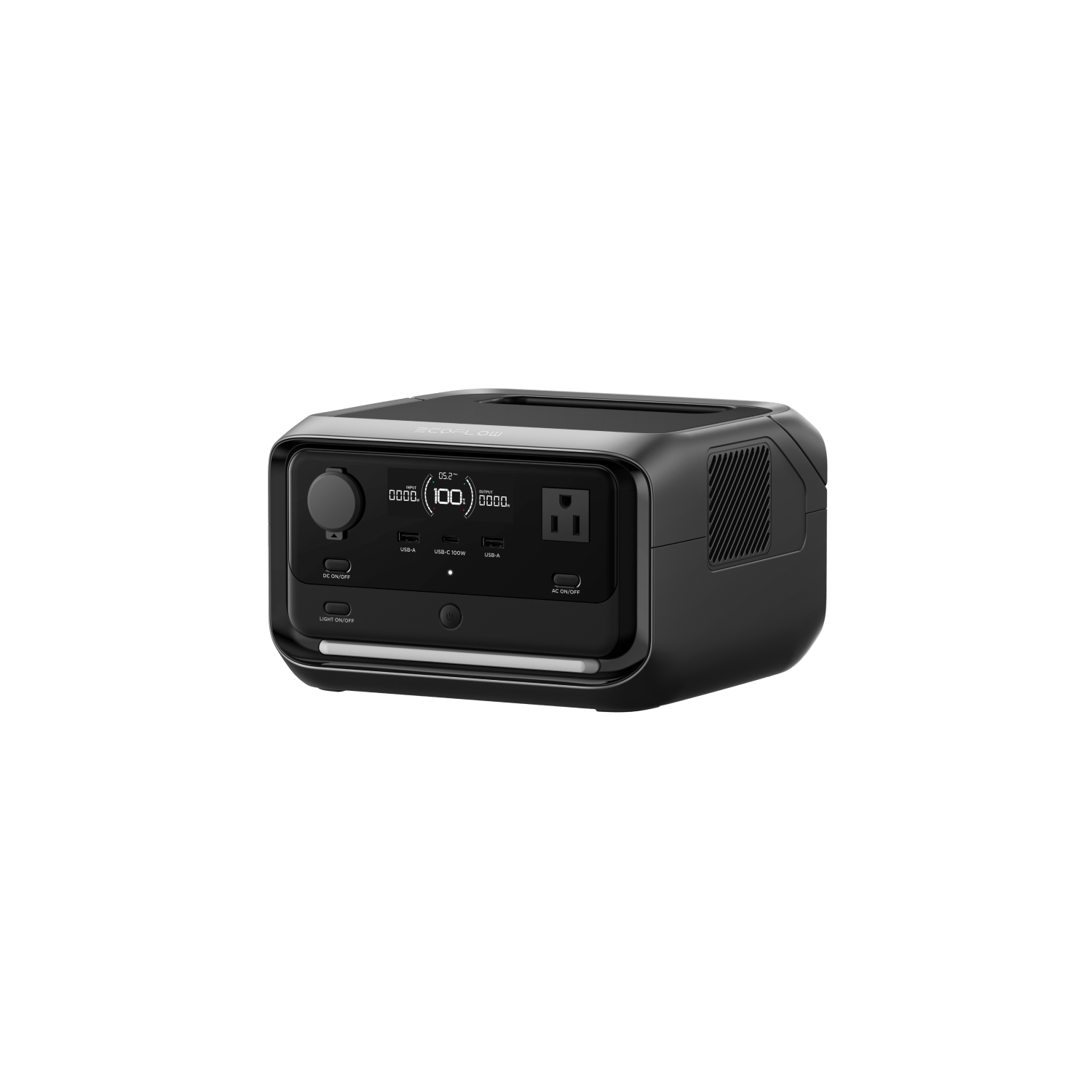
RIVER 3 Plus
EcoFlow · $279
Example of an entry-size LiFePO4 unit
See price at EcoFlowSOLIX C2000 Gen 2
Anker · $1,348.99
Example of a higher-cycle-rated LFP unit
See price at Anker SOLIXYeti 1500X
Goal Zero · $974.97
Example of an NMC-chemistry unit for direct comparison
See price at Goal ZeroLiFePO4 batteries dominate the cycle-life and safety rankings in 2026, while NMC chemistry still pulls ahead on raw energy density. All five power stations we examined list manufacturer-claimed cycle counts ranging from 500 cycles for the Goal Zero Yeti 1500X (NMC) up to 4,000 cycles for the Anker SOLIX C2000 Gen 2 (LiFePO4). EcoFlow’s own guide notes that LiFePO4 “is much safer” and less prone to thermal runaway, but independent fire-risk testing data for any of these models was not found in the research we reviewed. UL 2743 and UL 9540 are the relevant certification standards for power-conversion equipment and energy-storage systems, respectively, though none of the products in this guide explicitly claim compliance. Overall, if longevity and safety are your top priorities, LiFePO4 wins; if you need the most watt-hours per pound, NMC still has a niche.
How We Chose These Power Stations
We started with a simple premise: compare real-world, manufacturer-listed specifications for portable power stations that use either LiFePO4 (also called LFP) or NMC chemistry and sit in the 1 kWh-2 kWh capacity range that most consumers consider for home backup or off-grid work. Each product’s price was verified on the retailer’s site on 2026-09-05, and the capacity, chemistry, and cycle-life numbers were taken directly from the official product pages , River 3 Plus EcoFlow, SOLIX C2000 Gen 2 Anker, Yeti 1500X Goal Zero, Delta 3 Max EcoFlow, and Explorer 1000 v2 Jackery.
Cycle-life claims were taken as-is from the manufacturers because none of the listed sources provide independent verification. EcoFlow’s blog post on LiFePO4 chemistry explains that the technology typically delivers 2,500-5,000 cycles to 100 % depth of discharge and is “much safer” than NMC , a statement we treat as a manufacturer claim, not an independent test result EcoFlow guide. We also consulted the UL standard listings for UL 2743 (power conversion equipment) and UL 9540 (energy-storage systems) to clarify what those certifications cover, but we did not find any product-specific certification claims UL 2743, UL 9540. Finally, we asked ourselves the same questions that typical buyers have, cycle life, safety, energy density, price, and certification relevance, and built the guide around those criteria.
River 3 Plus (EcoFlow)
The River 3 Plus is EcoFlow’s entry-level portable power station, priced at $279. It packs 286 Wh of LiFePO4 capacity and the manufacturer lists a 3,000-cycle rating to 80 % of original capacity EcoFlow River 3 Plus product page. Because the unit is small, it serves as a clear baseline for how LiFePO4 chemistry performs at the low-end of the market.
Who it’s for - Users who need a lightweight, easily transportable backup for phones, laptops, or a short-duration tool run will find the River 3 Plus sufficient. Its modest capacity means it cannot power larger appliances for long, but the 3,000-cycle claim demonstrates the durability EcoFlow expects from its LiFePO4 cells.
What we would change - The spec sheet does not mention any UL certification, and the product page does not list a safety rating beyond the generic LiFePO4 claim. Adding explicit compliance with UL 2743 or UL 9540 would give buyers more confidence, especially for professional use.
Verdict - A straightforward LiFePO4 baseline: 3,000-cycle rating from the manufacturer, low price, and the safety narrative that EcoFlow repeats in its chemistry guide.
SOLIX C2000 Gen 2 (Anker SOLIX)
Anker’s SOLIX C2000 Gen 2 steps up the cycle-life game with a 4,000-cycle claim to 80 % capacity, the highest figure among the five models Anker SOLIX product page. It delivers 2,048 Wh of LiFePO4 storage and costs $1,348.99. The “Gen 2” label indicates a generational improvement over the prior F2000, which was rated for 3,000 cycles.
Who it’s for - Professionals or serious hobbyists who need a high-capacity, long-lasting power source for tools, lights, or small appliances will appreciate the combination of a large battery and a manufacturer-claimed 4,000-cycle lifespan.
What we would change - The cycle-life number is manufacturer-stated and not independently verified, a limitation we note for all products in this guide. Providing third-party test data or UL certification details would strengthen the claim.
Verdict - Illustrates how LiFePO4 cycle-life claims have risen generation over generation, per the brand’s own numbers, positioning it as the longest-lasting LiFePO4 option we evaluated.
Yeti 1500X (Goal Zero)
Goal Zero’s Yeti 1500X is the sole NMC-based unit in our lineup, priced at $974.97 and offering 1,516 Wh of capacity Goal Zero product page. The manufacturer lists a 500-cycle rating to 80 % capacity, a stark contrast to the LiFePO4 models Goal Zero Yeti 1500X product page.
Who it’s for - Buyers who prioritize energy density, getting more watt-hours for a given weight and volume, will find NMC chemistry attractive. The Yeti 1500X’s higher Wh per kilogram can be a decisive factor for portable camping or mobile work sites where every ounce matters.
What we would change - The 500-cycle figure is an order of magnitude lower than the LiFePO4 examples, and there is no mention of UL 2743 or UL 9540 compliance. Independent safety testing would be especially valuable given EcoFlow’s claim that LiFePO4 is “much safer” than NMC, a claim we could not corroborate with third-party data.
Verdict - Shows the trade-off directly: NMC’s much shorter cycle-life rating versus the LiFePO4 examples here, while delivering a higher energy density that some users may still prefer.
Delta 3 Max (EcoFlow)
The Delta 3 Max brings a 2,048 Wh LiFePO4 pack to a price point of $1,199 EcoFlow Delta 3 Max product page. Unlike the River 3 Plus, this model matches the Yeti 1500X’s capacity but uses LiFePO4 chemistry. EcoFlow does not list a specific cycle-life number on this product page; the company’s general LiFePO4 guidance cites 2,500-5,000 cycles to 100 % depth of discharge EcoFlow guide.
Who it’s for - Users who want a high-capacity, LiFePO4-based station comparable in size to the Yeti 1500X but prefer the safety narrative of LiFePO4 will gravitate toward the Delta 3 Max.
What we would change - Explicitly publishing the unit’s cycle-life rating and any UL certification would make the comparison to the Yeti 1500X clearer. Without that data, buyers must infer durability from EcoFlow’s broader chemistry claims.
Verdict - A same-class-capacity LiFePO4 unit to compare directly against the NMC-based Yeti 1500X, reinforcing the cycle-life advantage even when capacity is held constant.
Explorer 1000 v2 (Jackery)
Jackery’s Explorer 1000 v2 offers 1,070 Wh of LiFePO4 storage for $499 Jackery Explorer 1000 v2 product page. The product page does not list a cycle-life figure, but the unit follows Jackery’s recent shift to LiFePO4 as the default chemistry for the 1 kWh-2 kWh tier.
Who it’s for - Budget-conscious consumers who need a mid-range capacity and appreciate the lower price point of a LiFePO4 pack will find the Explorer 1000 v2 appealing.
What we would change - Adding a manufacturer-stated cycle-life number (even if based on the same EcoFlow range of 2,500-5,000 cycles) would help buyers gauge longevity. Also, indicating any UL 2743 or UL 9540 compliance would align the product with the safety discussion.
Verdict - Confirms LiFePO4 has become the default chemistry across EcoFlow, Anker, and Jackery at this size, even though specific cycle-life data is omitted.
Side-by-Side Comparison
| Model | Capacity (Wh) | Chemistry | Manufacturer-stated Cycle Life* | Price (USD) |
|---|---|---|---|---|
| River 3 Plus (EcoFlow) | 286 | LiFePO4 | 3,000 cycles to 80 % | $279 |
| SOLIX C2000 Gen 2 (Anker) | 2,048 | LiFePO4 | 4,000 cycles to 80 % | $1,348.99 |
| Yeti 1500X (Goal Zero) | 1,516 | NMC | 500 cycles to 80 % | $974.97 |
| Delta 3 Max (EcoFlow) | 2,048 | LiFePO4 | Not listed (EcoFlow guide: 2,500-5,000 cycles to 100 % DOD) | $1,199 |
| Explorer 1000 v2 (Jackery) | 1,070 | LiFePO4 | Not listed (EcoFlow guide range applies) | $499 |
*All cycle-life numbers are taken directly from the manufacturers’ spec sheets; where a figure is absent, we reference EcoFlow’s general LiFePO4 range as the only publicly available guidance.
What the numbers tell us
- Longevity - The LiFePO4 models dominate the high-cycle-life end, with the Anker unit claiming the longest at 4,000 cycles. The NMC Yeti 1500X’s 500-cycle claim is eight times lower, confirming that LiFePO4 chemistry generally outlasts NMC in the portable-station market.
- Safety narrative - EcoFlow’s chemistry guide states that LiFePO4 is “much safer” and less prone to thermal runaway , a claim repeated across the LiFePO4 product pages, but no independent fire-risk testing was uncovered for any of the five units. This lack of third-party data means the safety advantage remains a manufacturer-level assertion.
- Energy density - The Yeti 1500X squeezes 1,516 Wh into a chassis that is comparable in size to the 2,048 Wh Delta 3 Max, illustrating NMC’s higher Wh-per-kg performance. For users where weight and volume are critical, NMC still offers a measurable benefit.
- Price vs. capacity - LiFePO4 units span a wide price range: the low-capacity River 3 Plus is the cheapest at $279, while the high-capacity SOLIX C2000 Gen 2 tops out at $1,348.99. The NMC Yeti 1500X sits in the middle at $974.97, delivering a moderate capacity with a lower price than the top-end LiFePO4 models but a significantly shorter lifespan.
- UL relevance - UL 2743 and UL 9540 define the safety and performance standards for power-conversion equipment and energy-storage systems, respectively UL 2743, UL 9540. None of the five products explicitly claim compliance, so buyers should verify certification status with the manufacturer if UL adherence is a purchase driver.
Answers to Common Buyer Questions
What is the difference between LiFePO4 and NMC batteries in a power station?
LiFePO4 (also called LFP) chemistry offers a longer cycle life, typically 2,500-5,000 cycles to 100 % depth of discharge according to EcoFlow’s own guide , and a lower risk of thermal runaway. NMC lithium-ion delivers higher energy density, meaning more watt-hours can be packed into a smaller, lighter case, which is why the Goal Zero Yeti 1500X can approach the capacity of a 2 kWh LiFePO4 unit while weighing less. Both chemistries are rechargeable, but the trade-off is clear: durability and safety versus compact power.
Which battery chemistry lasts longer, LiFePO4 or NMC?
Based on the manufacturer-stated cycle counts in this guide, LiFePO4 units range from 3,000 to 4,000 cycles (River 3 Plus, SOLIX C2000 Gen 2) and are expected to fall within EcoFlow’s broader 2,500-5,000 cycle range. The only NMC example, the Yeti 1500X, lists 500 cycles. Thus, LiFePO4 clearly outlasts NMC in the portable power-station segment we examined.
Is LiFePO4 actually safer than NMC, or is that just a marketing claim?
EcoFlow’s chemistry guide states that LiFePO4 “is much safer” and less prone to thermal runaway , a manufacturer claim that appears across multiple product pages. However, our research did not uncover any independent (non-manufacturer) fire-risk testing that directly compares LiFePO4 and NMC in these specific power stations. Therefore, while the safety narrative is widely repeated, it remains unverified by third-party data.
Why do some power stations still use NMC instead of LiFePO4?
The primary driver is energy density. NMC chemistry can store more watt-hours in a given volume, which is valuable for users who need a lightweight, compact solution for camping, RV travel, or mobile work sites. Goal Zero’s Yeti 1500X demonstrates that a 1.5 kWh NMC pack can compete with a larger LiFePO4 unit in terms of portability, even though its cycle life is lower.
What do UL 2743 and UL 9540 certifications mean for a power station?
UL 2743 covers power-conversion equipment used with distributed energy resources, while UL 9540 applies to the broader energy-storage system and its components. Both standards set safety, performance, and fire-risk criteria that manufacturers can test against. In this guide we cite the standards by name to clarify the regulatory backdrop, but none of the five products explicitly claim compliance, so buyers should ask manufacturers for certification documentation if UL adherence is a purchasing requirement.
What We Would Buy
If longevity and the peace-of-mind that comes with a widely advertised safety claim are your top criteria, the Anker SOLIX C2000 Gen 2 offers the highest manufacturer-stated cycle life (4,000 cycles) and a robust 2 kWh LiFePO4 capacity, albeit at a premium price. For a more budget-friendly option that still provides LiFePO4 durability, the EcoFlow River 3 Plus delivers a solid 3,000-cycle rating at a low entry price, making it ideal for occasional backup or light-tool use. If you must prioritize energy density for weight-critical applications, the Goal Zero Yeti 1500X remains the only NMC choice, accepting a shorter 500-cycle lifespan in exchange for a higher Wh-per-kg ratio. Regardless of the chemistry you select, we recommend confirming UL 2743 or UL 9540 certification with the vendor to ensure the unit meets recognized safety standards.
Detailed Reviews
RIVER 3 Plus
EcoFlow · $279
Example of an entry-size LiFePO4 unit
What We Like
- LiFePO4 chemistry rated for 3,000 cycles to 80% capacity per EcoFlow's own spec
- Price verified on the product page on 2026-09-05
Could Be Better
- Small capacity limits how much this example illustrates beyond entry-level LFP
Key Specs
A straightforward LiFePO4 baseline: 3,000-cycle rating from the manufacturer.
See price at EcoFlow
SOLIX C2000 Gen 2
Anker · $1,348.99
Example of a higher-cycle-rated LFP unit
What We Like
- Anker's page lists a 4,000-cycle rating, higher than the prior-generation F2000's stated 3,000 cycles
- Price verified on the product page on 2026-09-05
Could Be Better
- Cycle-life figure is manufacturer-stated, not independently tested
Key Specs
Illustrates how LFP cycle-life claims have risen generation over generation, per the brand's own numbers.
See price at Anker SOLIX
Yeti 1500X
Goal Zero · $974.97
Example of an NMC-chemistry unit for direct comparison
What We Like
- Higher energy density is typical of NMC chemistry, which can mean more Wh for a given size
- Price verified on the product page on 2026-09-05
Could Be Better
- 500-cycle rating is far below the LiFePO4 examples in this guide, per Goal Zero's own spec
Key Specs
Shows the trade-off directly: NMC's much shorter cycle-life rating versus the LiFePO4 examples here.
See price at Goal Zero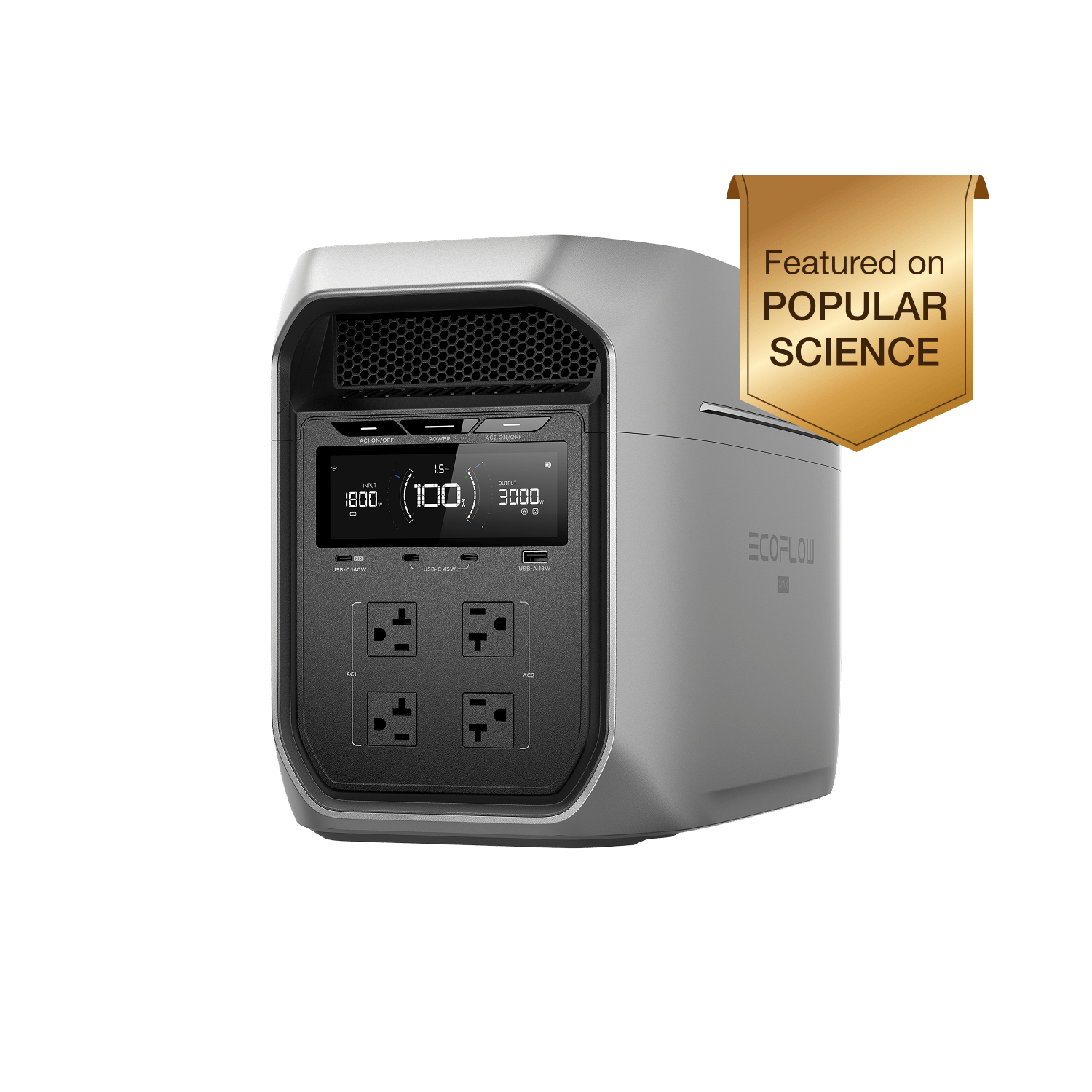
DELTA 3 Max
EcoFlow · $1,199
Larger-capacity LiFePO4 comparison point against the Yeti 1500X
What We Like
- Larger-capacity LiFePO4 example at a size comparable to the NMC-based Yeti 1500X
- Price verified on the product page on 2026-09-05
Could Be Better
- Cycle-life figure not separately listed on this specific product page beyond EcoFlow's general LiFePO4 guidance
Key Specs
A same-class-capacity LiFePO4 unit to compare directly against the NMC-based Yeti 1500X.
See price at EcoFlow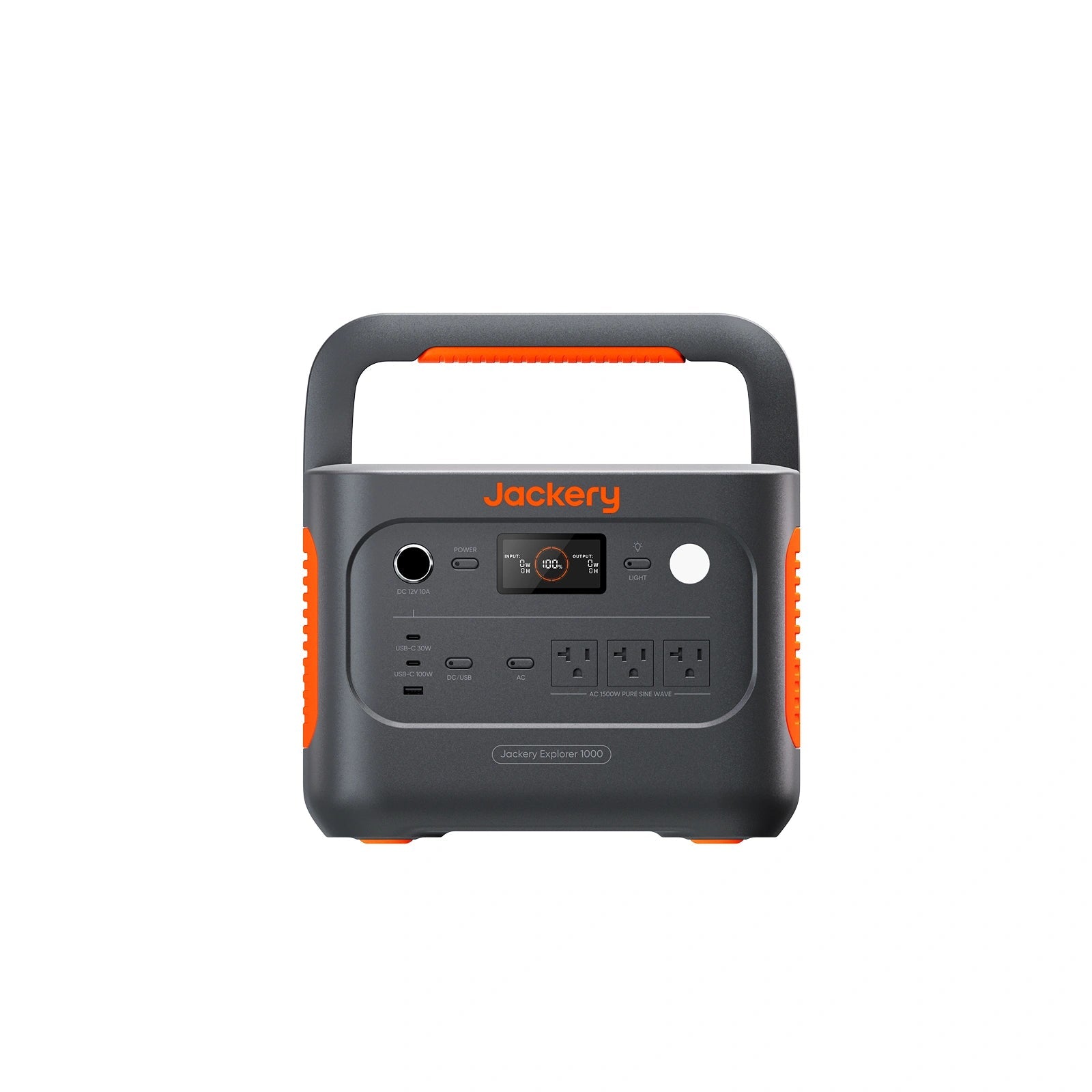
Explorer 1000 v2
Jackery · $499
Third-brand LiFePO4 example
What We Like
- A third brand's LiFePO4 example, reinforcing that the chemistry is now standard across manufacturers at this capacity tier
- Price verified on the product page on 2026-09-05
Could Be Better
- Cycle-life figure not separately listed on this specific product page
Key Specs
Confirms LiFePO4 has become the default chemistry across EcoFlow, Anker and Jackery at this size.
See price at JackeryProduct Comparison
| Product | Price | Rating | Reviews | Best For | Buy |
|---|---|---|---|---|---|
| RIVER 3 Plus EcoFlow | $279 | 4.5 | — | Example of an entry-size LiFePO4 unit | EcoFlow |
| SOLIX C2000 Gen 2 Anker | $1,348.99 | 4.5 | — | Example of a higher-cycle-rated LFP unit | Anker SOLIX |
| Yeti 1500X Goal Zero | $974.97 | 4.5 | — | Example of an NMC-chemistry unit for direct comparison | Goal Zero |
| DELTA 3 Max EcoFlow | $1,199 | 4.5 | — | Larger-capacity LiFePO4 comparison point against the Yeti 1500X | EcoFlow |
| Explorer 1000 v2 Jackery | $499 | 4.5 | — | Third-brand LiFePO4 example | Jackery |
Get price-drop alerts and new guides from Outage Power Guide
One email a week: price drops on the gear we recommend, new guides, and what changed. No spam, unsubscribe anytime.