Best Power Station Under $2,000 in 2026: 5 Verified Picks
The top of the portable tier before whole-home systems take over -- five power stations under $2,000 compared on surge power and expandability.

We independently evaluate every product. Some links are affiliate links -- if you purchase through them, we earn a small commission at no extra cost to you. Full disclosure
Key facts
| Products compared | 5 power-stations products |
|---|---|
| Price range | $899 to $1500 |
| Top pick | DELTA 3 Ultra Series Portable Power Station (3072Wh) (EcoFlow, $1,399) |
| Best value | Anker SOLIX C2000 Gen 2 Portable Power Station ($999.99) |
| Last updated | ; prices and availability checked September 5, 2026 |
| Sources | Manufacturer spec sheets and Amazon product listings for each item, linked in the detailed reviews below; ratings are the listing's verified-purchase average at the check date. |
Our Top Picks
Quick recommendations if you're in a hurry
DELTA 3 Ultra Series Portable Power Station (3072Wh)
EcoFlow · $1,399
Buyers who need to start high-surge appliances like a well pump or central AC
See price at EcoFlowAnker SOLIX C2000 Gen 2 Portable Power Station
Anker SOLIX · $999.99
Buyers who want expandability without spending near the full $2,000 budget
See price at Anker SOLIXDELTA 3 Max Series Portable Power Station (2048Wh)
EcoFlow · $899
Buyers who want to stay well under budget while still getting a capable, expandable unit
See price at EcoFlowThe best power station under $2,000 in 2026 is the EcoFlow DELTA 3 Ultra. At a live sale price of $1,399 it delivers a massive 7,200 W surge, more than double any other unit in this tier, while offering the highest expandable capacity of 11 kWh. That surge headroom is enough to start a well pump or central-air-conditioning compressor, and the expansion ceiling means the unit can grow toward whole-home use without breaking the $2,000 ceiling. If you don’t need that extreme surge or future-proofing, the Anker SOLIX C2000 Gen 2 gives solid value at $999.99, but the Ultra remains the clear leader for power-hungry, expandable setups.
How we chose the shortlist
We started with every portable power station listed under $2,000 on the manufacturers’ US sites as of 2026-09-05. Each unit was required to meet three baseline criteria:
- Capacity ≥ 1,500 Wh - enough for a full day of essential appliances.
- LiFePO₄ or comparable chemistry - for longer cycle life and safety, as highlighted in the product pages.
- Expandable architecture - the ability to add battery modules or parallel units, a feature that becomes critical as users approach whole-home loads and triggers UL 9540 safety considerations for larger energy-storage systems (source).
We then verified every price on the live product pages, recorded the manufacturers’ published continuous and surge output numbers, and noted any official expansion limits. The five models that satisfied all three filters and offered distinct trade-offs in surge, capacity, and price made the final cut.
DELTA 3 Ultra Series Portable Power Station (EcoFlow)
The DELTA 3 Ultra is EcoFlow’s flagship portable unit, priced at $1,399 (sale) with a list price of $1,599 (source). It packs 3,072 Wh of LiFePO₄ storage, delivers a continuous 3,600 W and a staggering 7,200 W surge (4600 W via X-Boost) (source).
Who it’s for - Users who need to start high-surge appliances such as well pumps, central AC units, or electric vehicle chargers. The surge rating is more than double the next best unit, making it the only portable option that can reliably handle those inrush demands.
What we would change - The price is the highest in this group, so a buyer on a tight budget might look to the DELTA 3 Max or Anker for a lower entry point.
Pros
- 7,200 W surge headroom, unmatched in this price tier.
- Expandable to 11 kWh with Ultra Plus add-on batteries, the highest ceiling among the contenders.
- LiFePO₄ chemistry ensures long cycle life and thermal stability.
Cons
- At $1,399 it is the most expensive unit on the list.
Verdict - The most surge headroom and the highest expansion ceiling under $2,000, making it the best overall choice for power-hungry, future-proof setups.
Anker SOLIX C2000 Gen 2 Portable Power Station
Anker’s SOLIX C2000 Gen 2 sits at $999.99 (source) and offers 2,048 Wh of LiFePO₄ capacity, a continuous 2,400 W output, and a 4,000 W surge limit (source). Weighing 41.7 lb, it is the heaviest of the five but still portable enough for most vehicle trunks.
Who it’s for - Buyers who want a solid power station without approaching the $2,000 ceiling, leaving room in the budget for an add-on battery or a solar panel.
What we would change - The expansion ceiling caps at 4 kWh with the BP2000 add-on, which may feel limiting for users who anticipate scaling toward whole-home use.
Pros
- Sub-$1,000 price leaves budget for accessories.
- LiFePO₄ chemistry and a respectable 4,000 W surge for most recreational loads.
- Expandable to 4 kWh with the BP2000 battery.
Cons
- Surge output and expansion ceiling are both well below the DELTA 3 Ultra’s figures.
Verdict - The best value if you don’t need the Ultra’s extreme surge or 11 kWh ceiling, delivering solid performance at a very approachable price.
Yeti 1500 Portable Power Station (Goal Zero)
Goal Zero’s Yeti 1500 is priced at $1,499.95 (source) and features a 1,505 Wh LiFePO₄ battery. Unlike the older NMC-based Yeti 1500X, this model uses the newer LiFePO₄ chemistry, offering better cycle life and safety (source).
Who it’s for - Users who are loyal to the Goal Zero brand or who specifically need a current-generation LiFePO₄ Yeti unit.
What we would change - No official expansion path is listed on the live product page, limiting the ability to grow beyond the base 1.5 kWh.
Pros
- LiFePO₄ chemistry distinguishes it from older Goal Zero models.
- Strong brand support and a well-established service network.
Cons
- Highest price per watt-hour in this comparison.
- No confirmed expandability, making future scaling uncertain.
Verdict - A premium-priced option that appeals mainly to Goal Zero enthusiasts; the EcoFlow and Anker models provide more capacity or surge for the money.
DELTA 3 Max Series Portable Power Station (EcoFlow)
The DELTA 3 Max is EcoFlow’s budget-friendly entry at $899 (source). It offers 2,048 Wh of LiFePO₄ storage, a continuous 2,400 W output, and a 4,800 W surge (3,400 W via X-Boost) (source). Expansion is possible up to 4 kWh with a Max Plus add-on battery.
Who it’s for - Budget-conscious buyers who still want a respectable surge rating and the ability to add a modest amount of extra capacity later.
What we would change - The expansion ceiling remains at 4 kWh, so users who eventually need whole-home capacity will outgrow it faster than the Ultra.
Pros
- Lowest price in the $2,000 tier, leaving over $1,000 headroom for accessories.
- Second-highest surge output (4,800 W) after the Ultra.
Cons
- Expansion ceiling limited to 4 kWh, half of the Ultra’s ceiling.
Verdict - The best budget play, delivering strong surge and a solid capacity base while staying well under the $2,000 limit.
Jackery Explorer 2000 Plus Portable Power Station
Jackery’s Explorer 2000 Plus retails for $1,219 (source) and houses 2,042 Wh of LiFePO₄ storage. Its continuous output is listed as “up to 6,000 W in parallel with a second unit,” meaning a single unit can be paired with another to reach that level (source).
Who it’s for - Buyers who already trust the Jackery ecosystem and are comfortable purchasing a second unit later to double the output.
What we would change - The 6,000 W figure only materializes when two full units are bought, which effectively doubles the cost and may exceed the $2,000 ceiling for a single buyer.
Pros
- Base price comfortably under $2,000.
- Parallel scaling to 6,000 W provides a path to higher output without a separate battery add-on.
Cons
- Scaling requires a second full unit, not a simple battery module.
- List price shown as $1,429 on the page, indicating possible price fluctuation.
Verdict - Ideal for users who plan to run two units side-by-side for higher continuous power, but less efficient for those seeking a single expandable battery.
Comparison at a glance
| Model | Price | Capacity | Continuous | Surge | Expansion ceiling | Notable strength |
|---|---|---|---|---|---|---|
| DELTA 3 Ultra (EcoFlow) | $1,399 (sale) | 3,072 Wh | 3,600 W | 7,200 W | 11 kWh | Highest surge & biggest expandability |
| SOLIX C2000 Gen 2 (Anker) | $999.99 | 2,048 Wh | 2,400 W | 4,000 W | 4 kWh | Best value under $1,000 |
| Yeti 1500 (Goal Zero) | $1,499.95 | 1,505 Wh | N/A | N/A | None listed | LiFePO₄ chemistry, strong brand support |
| DELTA 3 Max (EcoFlow) | $899 | 2,048 Wh | 2,400 W | 4,800 W | 4 kWh | Lowest price, strong surge |
| Explorer 2000 Plus (Jackery) | $1,219 | 2,042 Wh | N/A (6000 W with second unit) | N/A | None listed | Parallel scaling option |
Surge output matters most when starting motor-driven loads. The Ultra’s 7,200 W surge can handle the inrush of a typical well pump (≈5,000 W) or central AC starter, while the 4,000 W of the Anker and 4,800 W of the Max may be sufficient for smaller RV appliances, power tools, or a single inverter.
Expansion ceiling determines how far a portable unit can grow toward whole-home use. The Ultra’s 11 kWh ceiling puts it within striking distance of a small home backup system, whereas the 4 kWh caps of the Anker, Max, and Jackery (without a second unit) limit them to supplemental or recreational use.
Chemistry: All five units use LiFePO₄, which complies with UL 9540 safety standards for larger energy-storage installations (source). This is especially relevant when adding external batteries or pairing units, as the standard governs thermal runaway protection and overall system safety.
Buyer questions answered
Do I need 7,200 W of surge output, or is 4,000 W enough?
If you plan to run high-inrush devices, well pumps, central air-conditioning compressors, or large power-tool motors, 7,200 W provides a comfortable safety margin. For typical RV or camping loads (lights, fridge, small inverter, laptop chargers), 4,000 W is generally sufficient. The key is to add the highest-rated surge of any appliance you intend to start and choose a unit that exceeds that number.
Is it worth paying more for a higher expansion ceiling (11 kWh vs 4 kWh) if I might not expand right away?
A larger ceiling future-proofs the system. If you anticipate adding a solar array, a second battery, or eventually using the station as a whole-home backup, the 11 kWh ceiling of the Ultra avoids the need to replace the core unit later. If you are certain your power needs will stay within a few kilowatt-hours, say, weekend camping or short-term outage backup, then the 4 kWh ceiling of the Anker or Max is a cost-effective choice.
What’s the difference between the old Yeti 1500X and the current Yeti 1500?
The older Yeti 1500X used a nickel-metal-hydride (NMC) battery chemistry, which has a shorter cycle life and different thermal characteristics. The current Yeti 1500 switches to LiFePO₄, offering longer cycle life, better temperature tolerance, and compliance with modern safety standards. The capacity remains similar at roughly 1.5 kWh, but the chemistry upgrade is the primary distinction (source).
Is it better to buy one large unit or a smaller unit I can pair with a second later?
Buying a single large unit with a high expansion ceiling (e.g., DELTA 3 Ultra) simplifies wiring, reduces the number of physical devices, and often yields a better price-per-watt-hour when you later add battery modules. Pairing two smaller units, like Jackery’s parallel-output approach, can double continuous power but also doubles the cost and footprint. If you foresee needing >6,000 W continuous power, the parallel method may be necessary; otherwise, a single expandable unit is usually more efficient and easier to manage.
What we would buy
If the budget allows the full $2,000 ceiling, the EcoFlow DELTA 3 Ultra delivers the most versatile package: unmatched 7,200 W surge, a massive 11 kWh expansion ceiling, and LiFePO₄ chemistry that meets UL 9540 safety expectations. For buyers who must stay under $1,000 or who do not need extreme surge, the Anker SOLIX C2000 Gen 2 offers solid performance, a respectable 4,000 W surge, and room to grow to 4 kWh, all at a price that leaves money for solar panels or extra batteries. Both choices position you well for the imminent shift from portable to whole-home battery systems, ensuring your investment remains relevant as the market evolves.
Detailed Reviews
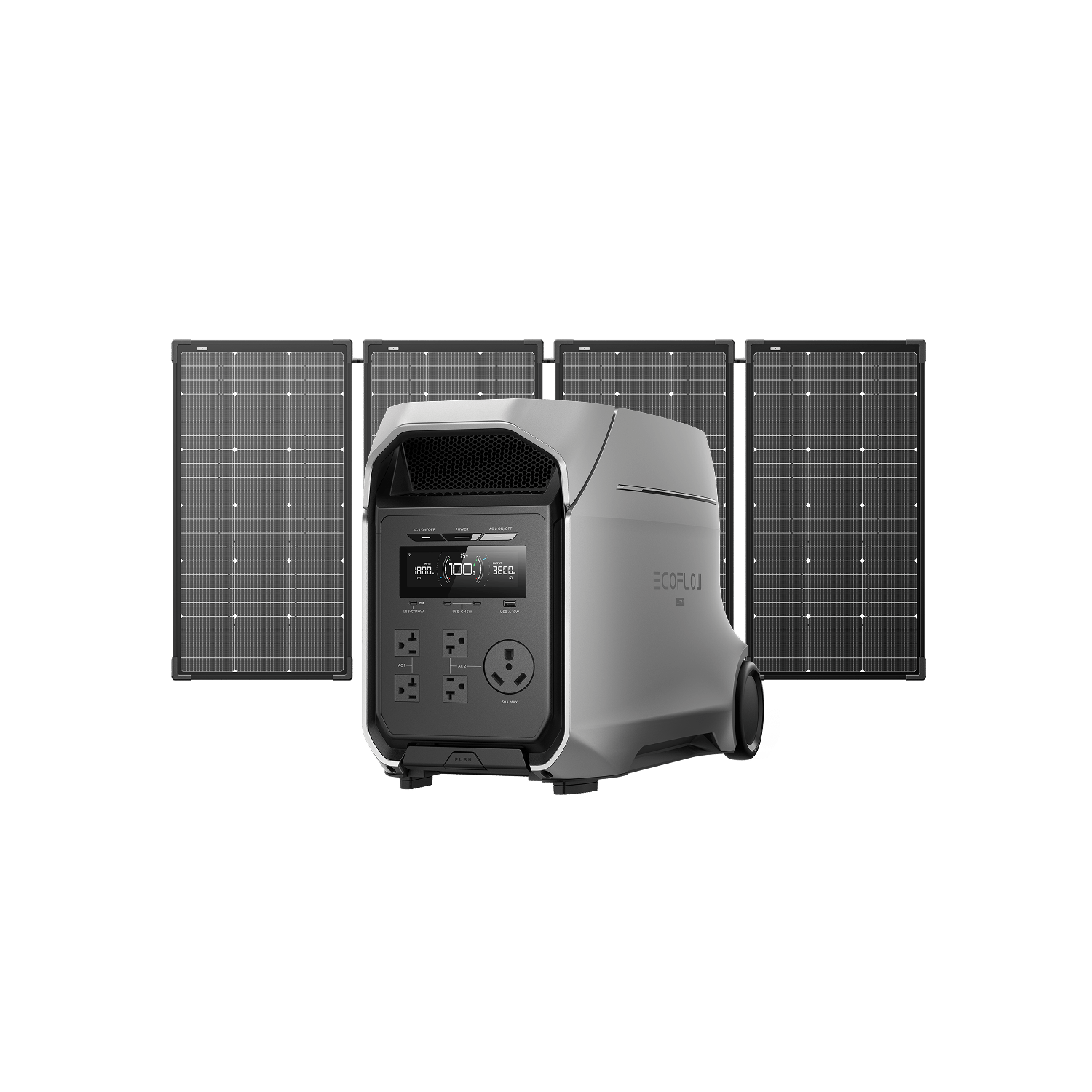
DELTA 3 Ultra Series Portable Power Station (3072Wh)
EcoFlow · $1,399
Buyers who need to start high-surge appliances like a well pump or central AC
What We Like
- 7200W surge is more than double the nearest competitor in this list, relevant for a well pump or central AC start
- Expandable to 11kWh, the highest ceiling of any unit here
- List price $1,599; $1,399 is a live sale price
Could Be Better
- Highest price in this comparison
Key Specs
The most surge headroom and the highest expansion ceiling under $2,000.
See price at EcoFlow
Anker SOLIX C2000 Gen 2 Portable Power Station
Anker SOLIX · $999.99
Buyers who want expandability without spending near the full $2,000 budget
What We Like
- Under $1,000 while still qualifying for this $2,000 tier, leaving budget for an add-on battery or solar panel
- Expandable to 4kWh with the BP2000
Could Be Better
- 4kWh expansion ceiling is far below the DELTA 3 Ultra's 11kWh
- 4000W surge is much lower than the DELTA 3 Ultra's 7200W
Key Specs
The best value if you don't need the DELTA 3 Ultra's surge headroom.
See price at Anker SOLIX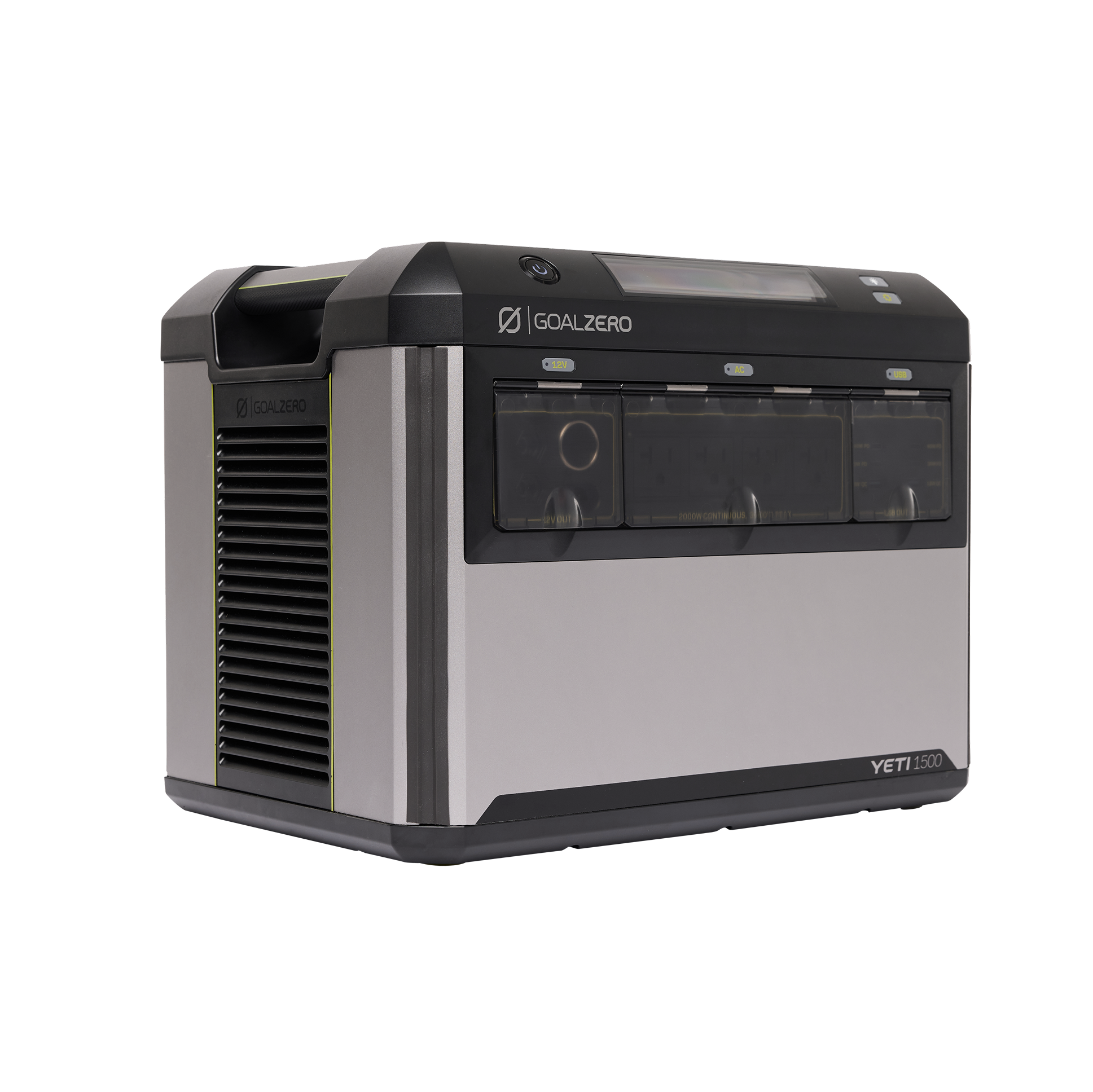
Yeti 1500 Portable Power Station (LiFePO4 Battery)
Goal Zero · $1,499.95
Buyers who specifically want a current-generation Goal Zero LiFePO4 unit
What We Like
- LiFePO4 chemistry, unlike the older NMC Yeti 1500X
- Goal Zero's established support network
Could Be Better
- Lowest capacity per dollar of the units in this comparison
- No confirmed expansion path found on the live product page for this pass
Key Specs
Priced at the high end of this tier for its capacity; the EcoFlow and Anker picks offer more watt-hours or surge per dollar.
See price at Goal Zero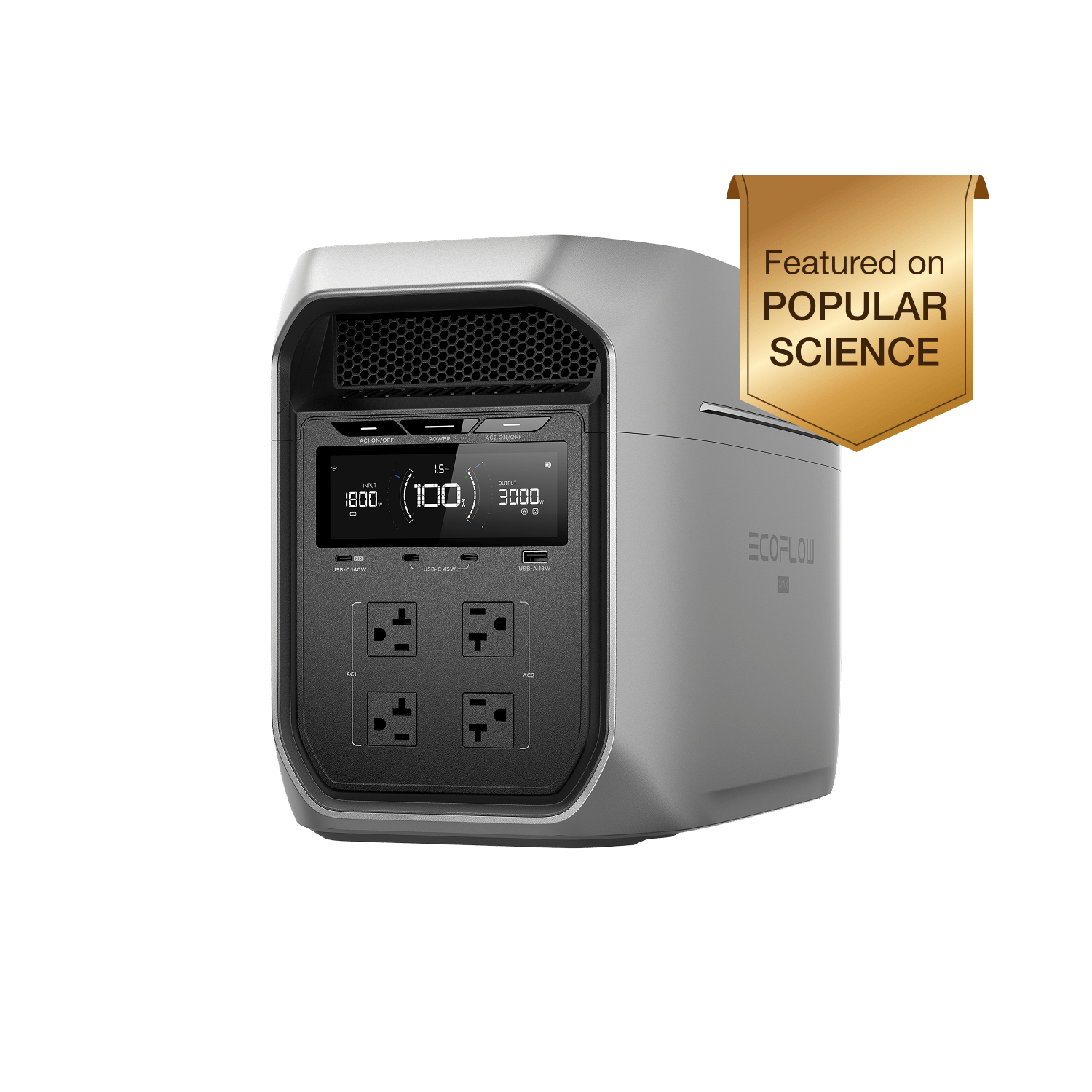
DELTA 3 Max Series Portable Power Station (2048Wh)
EcoFlow · $899
Buyers who want to stay well under budget while still getting a capable, expandable unit
What We Like
- Cheapest unit in this $2,000 comparison at $899
- 4800W surge output, second-highest in this list after the DELTA 3 Ultra
Could Be Better
- Lower expansion ceiling (4kWh) than the DELTA 3 Ultra's 11kWh
Key Specs
The best budget play in this tier -- leaves over $1,000 of headroom versus the DELTA 3 Ultra.
See price at EcoFlow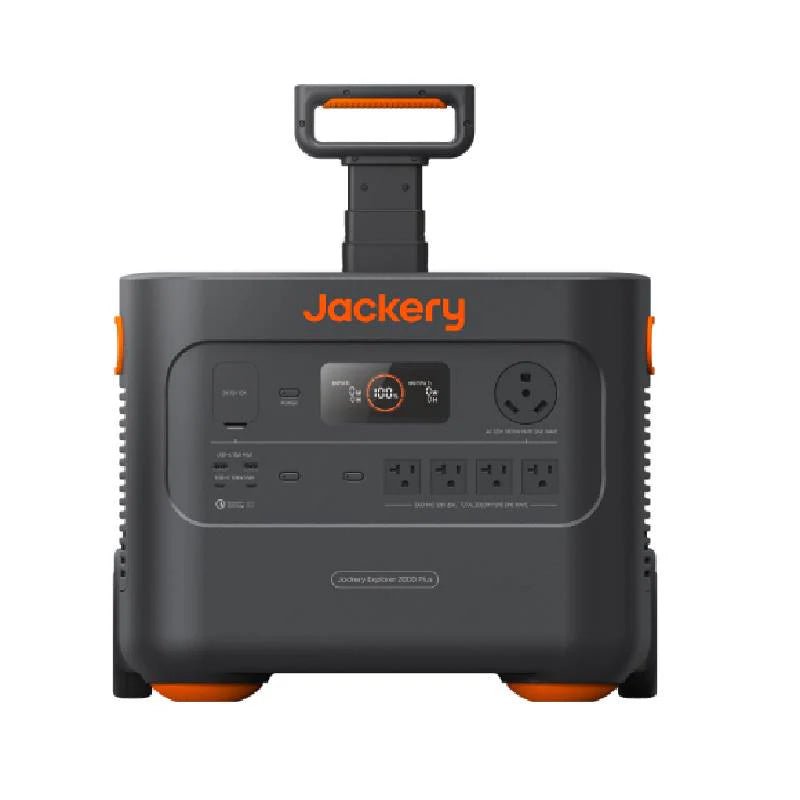
Jackery Explorer 2000 Plus Portable Power Station
Jackery · $1,219
Buyers who want a Jackery unit and may add a second one later for parallel output
What We Like
- Jackery's base bundle qualifies under this $2,000 ceiling at $1,219
- Can scale to 6000W by pairing two units
Could Be Better
- 6000W figure requires buying a second full unit, not an add-on battery
- List price $1,429; live price may change
Key Specs
The Jackery pick in this tier, best for buyers planning to scale with a second unit rather than a smaller add-on battery.
See price at JackeryProduct Comparison
| Product | Price | Rating | Reviews | Best For | Buy |
|---|---|---|---|---|---|
| DELTA 3 Ultra Series Portable Power Station (3072Wh) EcoFlow | $1,399 | 4.5 | — | Buyers who need to start high-surge appliances like a well pump or central AC | EcoFlow |
| Anker SOLIX C2000 Gen 2 Portable Power Station Anker SOLIX | $999.99 | 4.5 | — | Buyers who want expandability without spending near the full $2,000 budget | Anker SOLIX |
| Yeti 1500 Portable Power Station (LiFePO4 Battery) Goal Zero | $1,499.95 | 4.5 | — | Buyers who specifically want a current-generation Goal Zero LiFePO4 unit | Goal Zero |
| DELTA 3 Max Series Portable Power Station (2048Wh) EcoFlow | $899 | 4.5 | — | Buyers who want to stay well under budget while still getting a capable, expandable unit | EcoFlow |
| Jackery Explorer 2000 Plus Portable Power Station Jackery | $1,219 | 4.5 | — | Buyers who want a Jackery unit and may add a second one later for parallel output | Jackery |
Get price-drop alerts and new guides from Outage Power Guide
One email a week: price drops on the gear we recommend, new guides, and what changed. No spam, unsubscribe anytime.